How to organize a family recipe swap when relatives live far apart
· Editorial team minneapolisnewschris.com
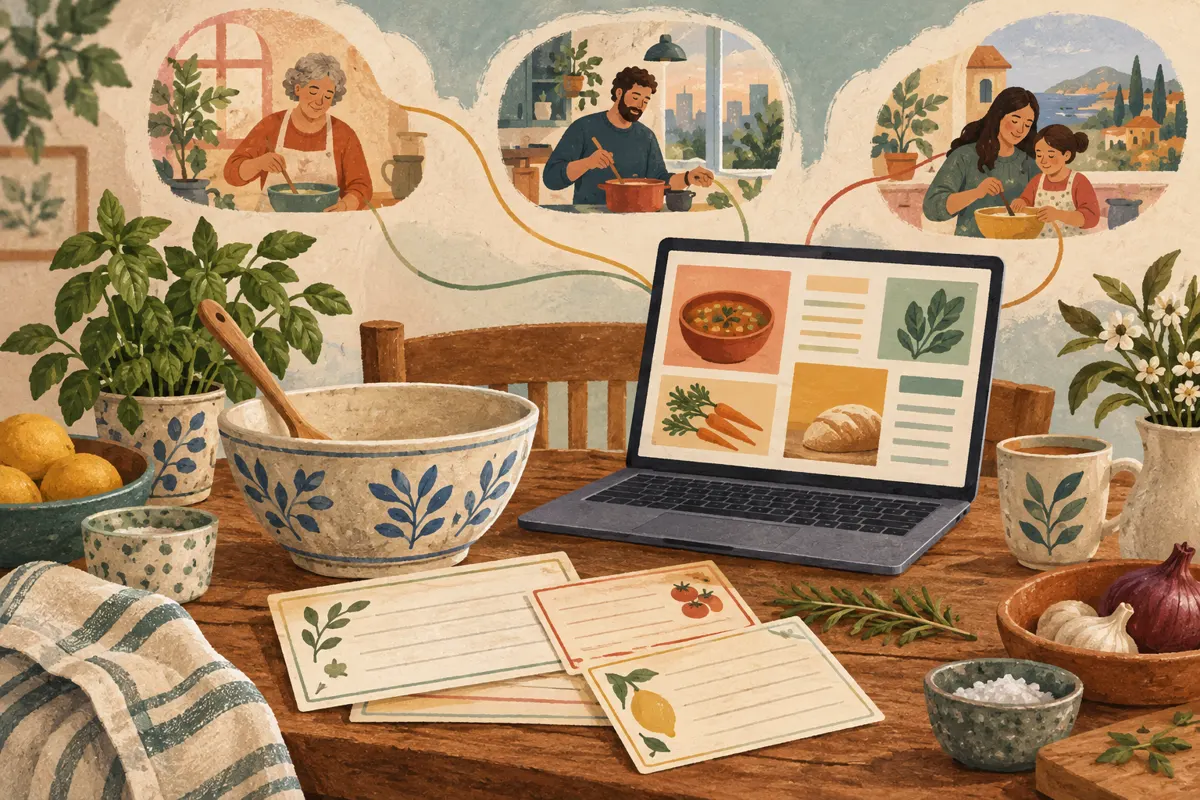
Organize a long-distance family recipe swap by asking each relative for one recipe, giving everyone the same short submission template, and collecting the results in one shared document. Include cooking tips and a brief memory alongside the instructions. The proposed steps below keep the project manageable while giving relatives several easy ways to contribute.
Start with one recipe per household
Choose a small first round: one dish from each household, with a clear submission date. Invite everyday favorites as well as celebration dishes. A dependable soup or the pancakes someone makes every Saturday can belong beside a treasured holiday dessert.
Appoint one person to gather submissions and handle questions. Use a communication channel relatives already check, such as email or a family group chat. Offer alternatives for anyone who would rather send a photograph of a recipe card, leave a voice message, or explain the dish over the phone.
A simple invitation could read: “Please send one recipe you enjoy making by our agreed date. Include ingredients, instructions, a cooking tip, and a short memory if you like. A photo of your handwritten recipe is welcome, too.”
Give everyone a short submission template
Copy the same template into the invitation so contributors know what to send. Keep the memory and photo optional; relatives should be able to participate without writing a family history or preparing a polished document.
- Recipe name and contributor: What do you call the dish, and whose version is this?
- Yield: How many servings or pieces does it make?
- Ingredients: List amounts, units, and any preparation needed.
- Method: Give the steps in order, including cooking temperature and approximate time where relevant.
- Cooking notes: Describe equipment, texture cues, substitutions you use, or a step that needs extra attention.
- Memory, optional: Who taught you the recipe, or when does the family serve it?
- Photo, optional: Send the dish, the original recipe card, or a family picture you are comfortable sharing.
Ask contributors to identify recipes adapted from a book, website, or another cook. Preserve that credit in the collection. If someone has changed the dish over time, give their version a clear name rather than presenting it as the original.
Capture the details that never made it onto the card
Read each submission as though you have never cooked the dish. “Add flour until it feels right” may make sense to its regular cook but leave a cousin guessing. Ask what the mixture should look or feel like, whether the pan is greased, and how the cook recognizes that the dish is done.
For a technique that is difficult to describe, invite a short video showing that particular step, such as shaping dough or folding a dumpling. Recording cooking demonstrations is one suggested way to preserve family recipes and the knowledge behind them.
Keep family memories in the contributor’s own voice where possible. Both supplied sources describe collections that pair recipes with stories, photographs, or handwritten notes. Ask before including personal anecdotes or identifiable family photos, and leave uncertain history attributed: “Aunt Lena remembers…” is clearer than turning a recollection into an established fact.
Assemble a collection everyone can open
For the first swap, a shared document and an emailed PDF are practical proposed formats. The document allows corrections; the PDF gives relatives a copy they can save or print. Choose a format that works for the least comfortable technology user in the group.
- Put each recipe in the same order: name, contributor, yield, ingredients, method, cooking notes, and memory.
- Group recipes under simple categories such as main dishes, sides, and baking, then add a contents list.
- Keep original recipe-card images beside typed versions when available, checking that the transcription matches.
- Return each edited entry to its contributor to confirm quantities, instructions, spelling, and sharing preferences.
- Share the finished collection with a date or version number and keep a backup copy.
Make the swap something relatives actually use
Once the collection is shared, propose that each household try one recipe from another relative. They can send a photograph, a question, or a brief cooking note. A video call is optional; people in different time zones can participate whenever they cook.
Collect useful feedback separately from the original instructions. Label substitutions and adjustments with the cook’s name so everyone can distinguish versions. Correct confirmed mistakes in the master document, then send an updated copy. If relatives want another round, choose a manageable theme, such as weeknight meals or family desserts, and reuse the template.